What it is
Nintendo Switch 2 is easiest to understand as a flexible household console rather than a pure performance product. It can live on a television, move to a handheld screen when the room is busy, and support the kind of local multiplayer that works when several people are gathered around the same coffee table.
That flexibility is still the central buying argument. The important question is not whether it can compete with a gaming PC on raw power. The question is whether one console can fit the way your home, travel schedule, and game library actually work.
Nintendo’s published product information points to a larger 1080p handheld display, docked 4K output support, and updated Joy-Con 2 controllers. Those details are useful, but they do not answer the whole buying decision. The total experience also depends on game compatibility, storage, extra controllers, a case, and how often you genuinely switch between handheld and television play.
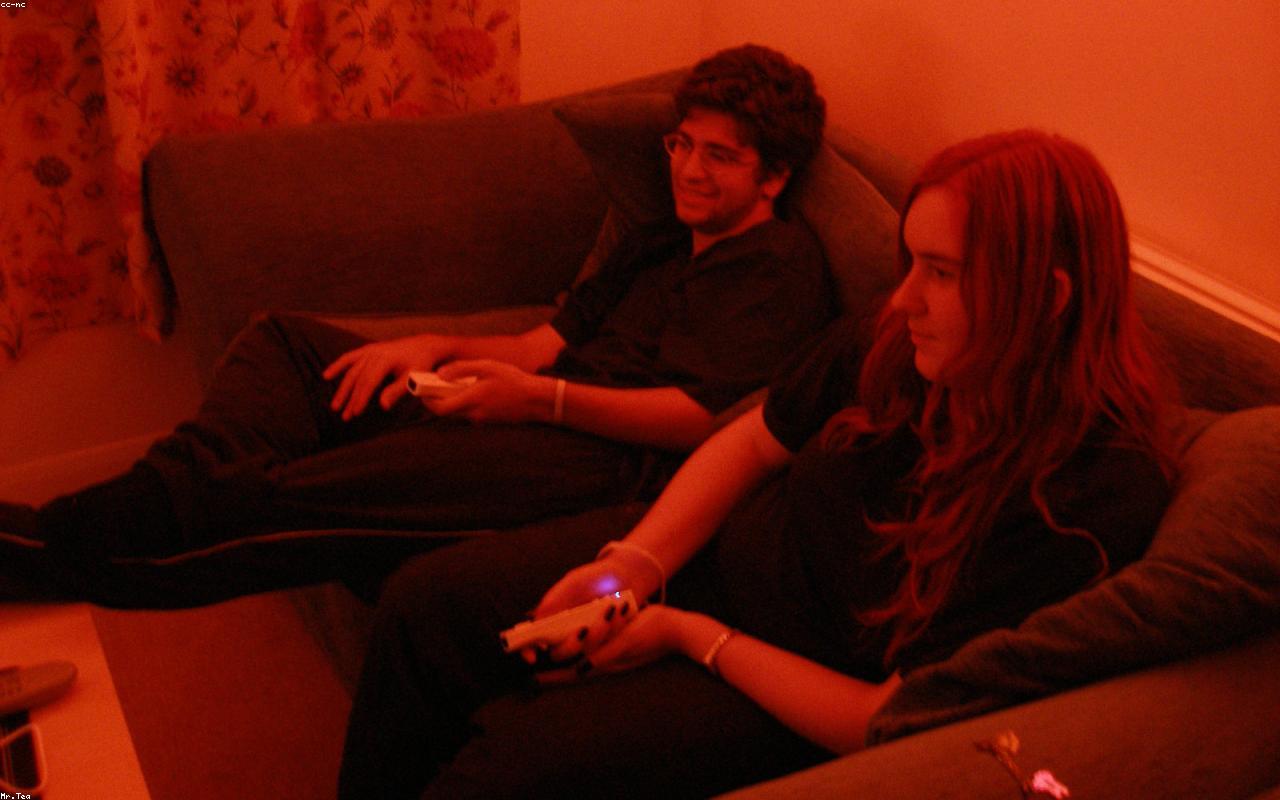
Representative scenario image. It is not an official Nintendo product photograph.
The short version
Switch 2 is a strong fit for households that want gaming to move with them. It is approachable in a shared room, useful on trips, and less dependent on a dedicated desk or gaming setup than a PC-style system.
The case is weaker if you already own a Switch that still handles the games you play, if your priorities are competitive performance and graphics settings, or if you are likely to buy the console without budgeting for software and accessories. The hardware may be the headline, but the real cost and value are shaped by the ecosystem around it.
This is a recommendation based on published product information and scenario fit, not an independent hands-on test. Buyers should verify the current configuration, seller, bundle contents, compatibility, and return policy before ordering.
Who should buy it
Switch 2 deserves a place near the top of the list for four kinds of buyers.
First are families and couples who share a television. A console that can move from docked play to handheld mode avoids turning every session into a negotiation over the screen. That is a practical advantage, especially when short sessions happen between dinner, homework, and other people using the room.
Second are travelers and students. The hybrid format is valuable when you want something more substantial than phone games but do not want to carry a full laptop-style setup. The decision still depends on the games you prefer and whether you will have reliable charging, but the form factor makes the device easier to fit into changing routines.
Third are existing Switch households that want a clearer upgrade path. The case is strongest when the current system is already used regularly and the new display, controllers, performance, or future software support would change how the household plays. It is much weaker when the old console is mostly sitting unused.
Finally, it suits people who value local multiplayer. Not every gaming experience needs a headset, a desk, or an online subscription. A console that makes it easy to hand someone a controller can create a different kind of value, even when a more powerful system exists elsewhere.
Who should skip it
Skip Switch 2 if you mainly want the highest possible frame rate, PC game libraries, competitive mouse-and-keyboard control, or extensive graphics settings. A handheld gaming PC or a conventional console may fit those priorities more naturally.
It is also worth waiting if your current Switch already covers the games you play and there is no specific upgrade feature that matters to you. New hardware is not automatically useful just because it is newer. The upgrade should remove a real limitation, such as a display, performance, storage, controller, or software problem that you notice in normal use.
The purchase is less attractive when the console would be your first step into a much larger spending chain. Games, a protective case, a screen protector, additional controllers, storage, and travel accessories can change the real budget quickly. A bundle is only worthwhile when its included items are things you planned to buy anyway.
Everyday scenarios
In a shared living room
The strongest Switch 2 scenario is a home where the television is shared. Docked play can become a group activity, while handheld mode gives one person a way to continue without occupying the main screen. That makes the console feel less like a piece of furniture and more like a flexible part of the room.
The tradeoff is that shared-room convenience depends on the right games. A large single-player title may still be enjoyable, but it does not automatically create a social experience. Before buying, look at the games your household would actually play together rather than assuming the hardware alone will create new habits.
On a trip
Travel changes the decision. Handheld play is attractive on trains, in hotel rooms, or during a long wait, but the most important questions become practical: Will your preferred games work offline? Do you need a case? How much storage will your library require? Is the charger easy to pack with your other devices?
The console is a good match for travelers who already know what they want to play. It is a less certain purchase for someone who is buying it mainly because it looks portable. Portability matters only when the device fits the specific trip, bag, and game library.
With friends and guests
Local multiplayer is one of the clearest reasons to choose Nintendo’s ecosystem. A simple controller handoff can be more inviting than asking guests to create accounts, learn a complicated control scheme, or sit at a desk.
That simplicity should not be confused with universal compatibility. Check how many controllers a game supports, whether extra accessories are required, and whether a particular title works in the mode you expect. The most enjoyable group setup is usually the one prepared before everyone arrives.

A useful way to judge the console is to picture the bag, charger, case, games, and accessories that would travel with it.
The ecosystem matters more than the headline specs
Switch 2 should be judged as a platform. The console itself is only one part of the purchase, and its value rises or falls with the software you want to play.
Existing Switch owners should verify compatibility rather than assuming every game and accessory behaves identically. New buyers should look at the current library and the specific titles they expect to buy in the next year. Families should also consider age guidance, parental controls, storage, and whether the console will be shared between profiles.
The same principle applies to accessories. A bundle can make sense when it includes a game or controller that will be used immediately. It can also inflate the purchase with items that look useful but will stay in a drawer. The right configuration is the one that supports the first few months of actual use, not the one with the longest list of extras.
Key specifications to verify before buying
Product details and bundles can change, so verify these items on the live listing:
- The exact storage and display configuration
- Handheld display behavior and brightness expectations
- Docked output support for your television
- Compatibility with the games and accessories you already own
- Included controllers, charger, dock, and cables
- Whether the seller is authorized and what return coverage applies
- Whether a case and screen protection are needed for your travel habits
These checks are more useful than trying to compare one headline number in isolation. A console can have an appealing specification and still be a poor fit if the games, accessories, or household setup do not match.
Alternatives
Keep an existing Switch if it already handles the games and situations that matter. The cheapest upgrade is often the device you are already using comfortably.
Choose a handheld gaming PC if access to PC libraries, settings, emulation, or performance control matters more than simple shared-room play. It can be more flexible, but the setup and battery expectations are different.
Choose Meta Quest 3S if the goal is immersive gaming, fitness, or mixed-reality experiences rather than traditional handheld and television play. It solves a different problem, so it should not be treated as a direct specification competitor.
Final buying advice
Nintendo Switch 2 is most convincing when the buyer can describe the first three situations in which it will be used: a shared television session, a trip, a local multiplayer night, or a specific game library upgrade. When the purchase has that kind of anchor, the hybrid design can remove friction that a more powerful system does not address.
When the answer is only 鈥渘ew hardware seems exciting,鈥?pause. Check the current bundle, accessory costs, games, seller, and return policy first. The product is easier to recommend when it has a clear role in your life, and easier to skip when it is only duplicating a device you already own.
FAQ
Is Switch 2 mainly for families?
No. Families are one of the clearest use cases, but the hybrid design also suits solo players, students, travelers, and anyone who shares a television. The best fit depends on whether handheld and docked play both matter to you.
Should I buy a bundle?
Only when the included game or accessory is something you already planned to buy. Compare the bundle contents with the standalone console and avoid treating extra items as value if they will not be used.
Is it a good travel console?
It can be, especially for travelers who already know which games they want to play. Check offline support, storage, charger size, case protection, and the return policy before relying on it for a trip.
Is it worth upgrading from the original Switch?
It is worth considering when the new display, output, controller, performance, or future software support addresses a limitation you actually notice. If your current console still fits your habits, waiting is reasonable.